The Persistent Reality of High Fuel Costs
As we move through mid-2026, the national average for a gallon of regular gasoline hovers around $3.88. Some might be tempted to call this progress, a welcome dip from the earlier peak of $4.56. But let’s be clear: this is no cause for celebration. For millions of American families, this figure represents a persistent financial strain, a stubborn tax on every commute, school run, and grocery trip. The relief is minimal, and the ache in our wallets remains very real.
The national average, however, masks a more telling story about the current US gas prices. A quick look across the country reveals stark disparities driven not just by market forces, but by deliberate policy choices. In states like California and Washington, drivers are shelling out over $5.00 per gallon. Meanwhile, in Texas and Oklahoma, prices are far more manageable. Why the massive difference? The answer often lies in state-level taxes and burdensome environmental regulations that pile on costs before the fuel even reaches your tank.
This regional divide isn’t an accident. It’s a direct consequence of political decisions. While global instability certainly plays a role, the pain you feel at the pump is magnified by flawed domestic policy. The fundamental problems preventing real relief for consumers are still firmly in place.
State-Level Gas Price Disparities (Mid-2026 Averages)
| State | Average Price per Gallon (Regular) | Primary Contributing Factors |
|---|---|---|
| California | ~$5.25 | High state gasoline taxes, stringent environmental regulations |
| Washington | ~$5.05 | Cap-and-trade program costs, high state taxes |
| National Average | ~$3.88 | Baseline for comparison |
| Texas | ~$3.40 | Proximity to refineries, lower state gasoline taxes |
| Oklahoma | ~$3.35 | Major oil production hub, low state tax burden |
Note: Prices are approximate for mid-2026 and illustrate how state-specific policies, such as taxes and environmental mandates, create significant cost variations for consumers across the country.
Global Turmoil and a Strained Supply Chain
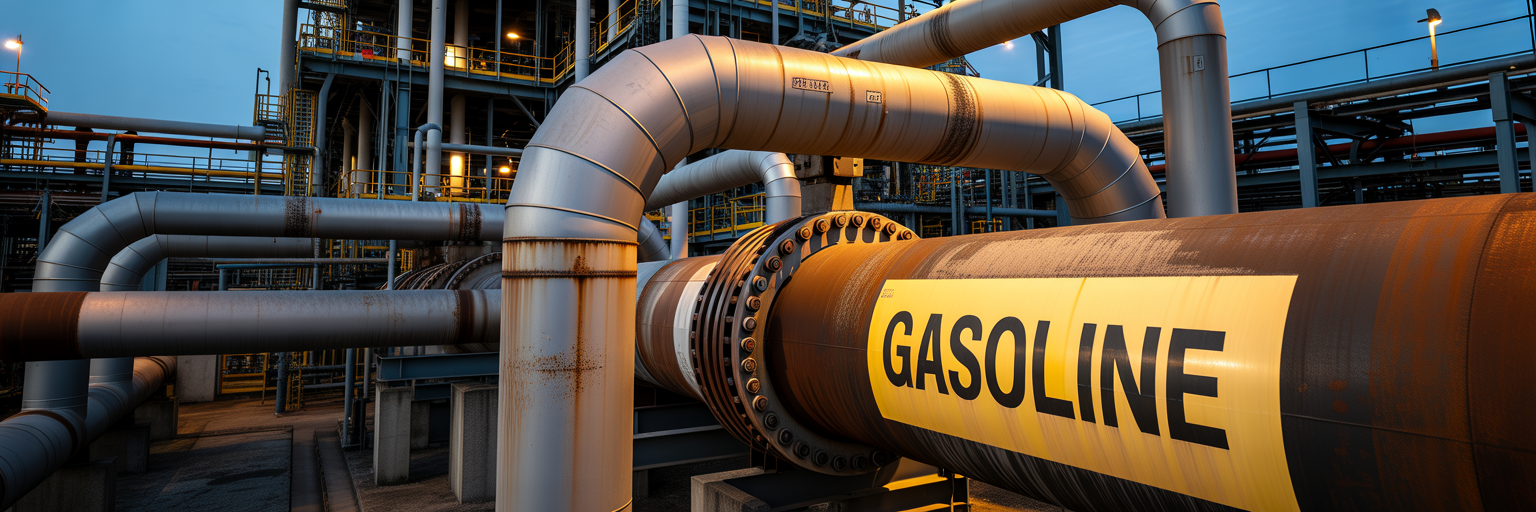
While state policies can turn a bad situation worse, the initial price pressure often originates thousands of miles away. According to the U.S. Energy Information Administration, the cost of crude oil is the single largest factor in the retail price of gasoline. This simple fact makes every American driver vulnerable to global chaos, and there has been no shortage of it. Fragile ceasefires in the Middle East and targeted attacks on Russian refineries add a significant risk premium to every barrel of oil. The market gets spooked, and you pay the price.
Understanding what affects gas prices requires looking at a few key external pressures:
- Geopolitical Risk: The Strait of Hormuz remains a critical chokepoint for global oil supply. Any hint of disruption in this narrow waterway sends immediate shockwaves through energy markets, raising costs for American consumers long before any real supply interruption occurs.
- Supply Chain Lag: We’ve all felt the frustration. Crude oil prices dip, but the price at the pump stays stubbornly high. This isn’t a conspiracy. Refineries are often processing crude oil they purchased weeks or even months ago at a higher price. You are paying for yesterday’s expensive oil.
- Refinery Priorities: U.S. refineries are businesses, and right now, they are prioritizing the production of more profitable fuels like diesel and jet fuel. This strategic shift constricts the domestic gasoline supply, creating an artificial scarcity that keeps pump prices inflated.
These global factors create a volatile environment. But the real question is how our leaders respond to this volatility. As we will see, their choices have only amplified the problem.
How Washington’s Policies Inflate Your Fuel Bill
It’s easy to point fingers at foreign conflicts, but that ignores the self-inflicted wounds from our own government. The truth is, Washington’s policies are actively working against your budget. The government policy on gas prices has become a collection of costly mandates and political theatre that offers no real solutions. It starts with regulations like the Renewable Fuel Standard (RFS), a mandate forcing refiners to blend biofuels like ethanol into gasoline. While it sounds green, the RFS adds significant costs to the refining process, and that expense is passed directly to you at the pump.
Then there is the political paralysis. For years, a simple, common-sense solution has been on the table: temporarily suspending the federal gas tax. This would provide immediate, tangible relief to every single American who drives a car. Yet, politicians remain hesitant, trapped by ideological rigidity or a lack of political will. You have to ask what their priorities are when such a straightforward measure is ignored while families struggle.
Instead of offering real relief, Washington resorts to political diversions. We hear grand announcements of investigations into “price gouging” by oil companies. This is a classic misdirection. It shifts blame from the real culprits: a web of burdensome regulations, limited refinery capacity, and global supply dynamics. As the Congressional Research Service outlines in its report, U.S. Gasoline Prices: An Introduction, the factors are complex and not easily solved by pointing fingers. High prices are not a corporate conspiracy. They are the predictable, painful result of bad policy meeting market reality.
The Economic Fallout for Families and Small Businesses

These high prices are not just numbers on a sign. They represent a real and damaging economic impact of fuel costs on American life. The constant pressure of expensive fuel has cost the average American household over $474, according to an estimate from Brown University. That isn’t just an abstract figure. It’s a canceled family vacation, a thinner savings account, or the tough choice between filling the tank and paying for other necessities. This is the reality of high gas prices explained in terms that matter.
The pain is even more acute for the small businesses that form the backbone of our economy. They are being crushed under the weight of these costs. Consider the ripple effect:
- Logistics and trucking companies, which operate on razor-thin margins, see their profits evaporate with every fuel surcharge.
- Construction firms watch project bids become obsolete as the cost to run heavy machinery and transport materials soars.
- Local service providers like plumbers, electricians, and landscapers face a difficult choice: absorb the rising fuel costs and risk their own financial health, or raise prices and risk losing loyal customers.
Ultimately, expensive fuel acts as a tax on nearly every good and service in the economy. It drives inflation, erodes consumer confidence, and puts a powerful brake on economic growth. When it costs more to move things, it costs more to buy things. It’s that simple, and every American is paying the price.
What to Expect for the Rest of 2026
For anyone hoping for a sharp, V-shaped recovery in prices, the outlook is sober. A sudden drop back to pre-crisis levels is highly unlikely. Our nation’s critically low fuel inventories have left the market fragile and dangerously exposed to the next supply shock, whether it comes from a hurricane in the Gulf or conflict overseas. The future of gas prices 2026 will be defined by ongoing volatility, not a return to normalcy.
Moving forward, keep a close watch on three key pressure points: the stability of the fragile U.S.-Iran ceasefire, the security of shipping lanes through the Strait of Hormuz, and the ability of global refineries to normalize production without further disruptions. These are not distant news items. They are the tripwires that will determine how much you pay to fill your tank next month and the month after.
Let’s call this situation what it is: a direct failure of national energy strategy. For too long, our leaders have prioritized burdensome regulations and dependence on foreign energy over American independence and common sense. Until Washington commits to a coherent policy that unleashes domestic production and cuts the red tape, American families and businesses will continue to be held hostage by global events and poor political decisions.