Military conflicts are often measured by their immediate tactical outcomes, but their true impact radiates outward, touching millions of lives and destabilizing economies far from the battlefield. The escalation of tensions between the United States, Israel, and Iran is not merely a regional dispute; it is a catalyst for a series of interconnected crises with profound humanitarian and economic consequences that ripple across the globe.
The Human Cost Inside Iran’s Borders
Long before the first airstrikes, Iran’s economy was already strained by years of international sanctions. The outbreak of direct military conflict, however, has pushed it into a state of freefall, creating a devastating humanitarian crisis in Iran that is felt in every home, hospital, and marketplace. The consequences are not abstract statistics but a daily struggle for survival for millions of ordinary citizens.
Economic Collapse and Civilian Hardship
Projections of a GDP contraction exceeding 10% fail to capture the reality on the ground. This is not just an economic downturn; it is the evaporation of personal savings and the destruction of livelihoods. Hyperinflation has rendered the Iranian rial nearly worthless, turning a trip to the grocery store into a desperate calculation. Families who once lived comfortably now find themselves unable to afford basic staples like bread, rice, and medicine. The sight of empty pharmacy shelves has become tragically common, as sanctions and logistical chaos choke off the supply of essential medical imports, leaving the sick and vulnerable with nowhere to turn.
The Scale of Internal Displacement
The conflict has triggered a massive wave of internal displacement, with estimates suggesting between two and four million people have been forced from their homes. These are not refugees crossing international borders but citizens fleeing from one part of their country to another, seeking shelter from relentless airstrikes. They arrive in host communities with nothing but the clothes on their backs, overwhelming already scarce resources. Makeshift camps spring up in schoolyards and public parks, where families face overcrowding, poor sanitation, and the constant threat of disease. Each displaced person represents a life uprooted and a community torn apart.
Breakdown of Critical Infrastructure and Services
Sustained military strikes have systematically dismantled the infrastructure that underpins modern society. The damage extends far beyond military targets, leading to a catastrophic breakdown of essential services that directly impacts civilian well being. The collapse is most visible in several key areas:
- Healthcare System: Hospitals, already struggling with supply shortages, are now facing power outages and direct damage. Operating rooms have gone dark, and life-support machines have failed, leading to preventable deaths.
- Power Grid: The destruction of power plants and transmission lines has plunged entire cities into darkness, disrupting everything from water purification to communications.
- Water and Sanitation: With water treatment facilities offline, access to clean drinking water has become a luxury. The risk of waterborne diseases like cholera and typhoid is growing daily, threatening a widespread public health emergency.
The Deepening Poverty Crisis
The economic collapse and societal breakdown are pushing a huge portion of the population into destitution. Projections indicate that 25% to 35% of Iranians are at risk of falling into extreme poverty. This isn’t just a temporary hardship; it represents a long-term crisis with generational consequences. Malnutrition is on the rise, particularly among children, stunting their physical and cognitive development. With schools closed or destroyed, millions of students are deprived of an education, erasing future opportunities and creating a lost generation whose prospects have been sacrificed to the conflict.
A Widening Regional Refugee Crisis
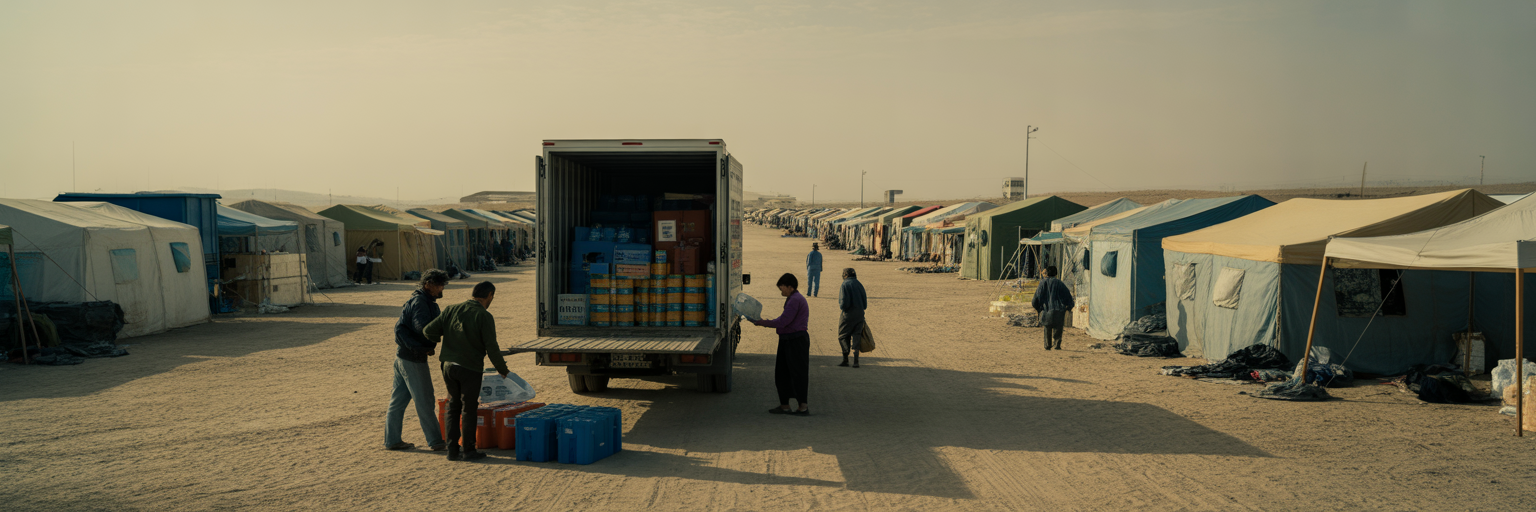
While millions are trapped in a deepening catastrophe inside Iran, the conflict’s human cost is rapidly spilling across its borders. The internal displacement crisis is now fueling a regional exodus, creating a Middle East refugee crisis 2026 that threatens to overwhelm neighboring countries and destabilize an already fragile region. The desperate flight of civilians is no longer an internal Iranian problem but a shared international emergency.
The Exodus Across Borders
An estimated one million Iranians are projected to flee the country, embarking on perilous journeys in search of safety. They cross treacherous mountain passes into Turkey and Pakistan or navigate dangerous routes into Iraq, often with little more than what they can carry. These are not orderly migrations but chaotic flights from violence. Each family that makes it across a border brings with them stories of loss and survival, representing a small fraction of the many who attempt the journey.
Overwhelming Strain on Neighboring Nations
The influx of refugees is placing an immense strain on host nations. Countries like Turkey, Pakistan, and Iraq, which already host large refugee populations, are seeing their resources stretched to the breaking point. Local infrastructure, from schools and clinics to sanitation systems, is struggling to cope with the sudden population surge. Tensions are rising between host communities and the newly arrived refugees as they compete for scarce jobs, housing, and essential resources, creating a fertile ground for social unrest.
The Humanitarian Aid Response Gap
The scale of the displacement is staggering. The international community is facing a monumental challenge, with humanitarian organizations projecting a need for up to $8 billion by 2028 to manage the crisis. As analyses from aid monitors like ReliefWeb often highlight in similar situations, such crises frequently face significant funding gaps. Donor fatigue, coupled with other global emergencies, means that pledges often fall short of the required amounts, leaving aid agencies under-resourced and unable to provide adequate food, shelter, and medical care to those in desperate need.
Long-Term Implications for Regional Stability
The refugee crisis poses a profound long-term threat to regional stability. The creation of a large, disenfranchised, and stateless Iranian population in neighboring countries is a recipe for future conflict. Confined to sprawling, under-resourced camps with little hope for the future, young refugees become vulnerable to recruitment by extremist groups who exploit their grievances. This not only perpetuates a cycle of violence but also risks exporting instability across the Middle East, turning a national crisis into a generational, regional threat.
Global Energy Markets on the Brink
The conflict’s shockwaves are felt most acutely in the global energy sector, where the geography of the fighting intersects with the world’s most critical oil artery. The military confrontation has turned the Strait of Hormuz, a narrow waterway through which a significant portion of global oil passes, into a geopolitical flashpoint. The resulting disruption has sent tremors through international markets, triggering a crisis of global oil prices conflict and threatening the economic stability of nations worldwide.
The Strait of Hormuz as a Geopolitical Chokepoint
The Strait of Hormuz is more than just a shipping lane; it is the jugular vein of the global energy economy. Its closure or militarization effectively holds a massive portion of the world’s oil supply hostage. Any disruption here is not a minor inconvenience but a direct threat to energy security for dozens of countries. The conflict has transformed this strategic chokepoint into the epicenter of a global economic crisis, demonstrating how a regional war can have immediate worldwide consequences.
The Immediate Surge in Oil Prices
The market’s reaction to the Strait of Hormuz disruption has been swift and severe. Brent crude prices surged by over 50%, climbing past $94 per barrel almost overnight. Traders and analysts now speculate that prices could breach the $100 mark, a threshold that would inflict significant economic pain globally. This price spike is not driven by simple supply and demand dynamics but by a “fear premium,” as markets price in the risk of a prolonged and unpredictable conflict that could cripple oil transit for months.
The Inability of Other Producers to Fill the Gap
A month-long closure of the Strait would remove approximately 600 million barrels of oil from the global market. The critical question is: can other producers compensate for such a massive shortfall? The answer is a resounding no. While nations like Saudi Arabia and the UAE maintain some spare production capacity, it is nowhere near enough to offset a disruption of this magnitude. This scenario aligns with analyses from think tanks like the Council on Foreign Relations, which have long warned that a military conflict centered on the Strait of Hormuz would overwhelm the world’s ability to respond. The global energy system simply lacks the elasticity to absorb such a sudden shock.
Economic Consequences for Energy-Dependent Nations
The ripple effects of soaring oil prices are already being felt in energy-dependent economies across Europe and Asia. For these nations, higher energy costs are not an abstract problem but a direct driver of inflation and a brake on economic growth. Industries face rising operational costs, supply chains are hit with higher fuel surcharges, and consumers are squeezed by elevated prices at the pump and on their utility bills. For governments already navigating fragile economic recoveries, this energy shock could be the final push into a full-blown recession.
The Chilling Effect on Global Trade and Travel
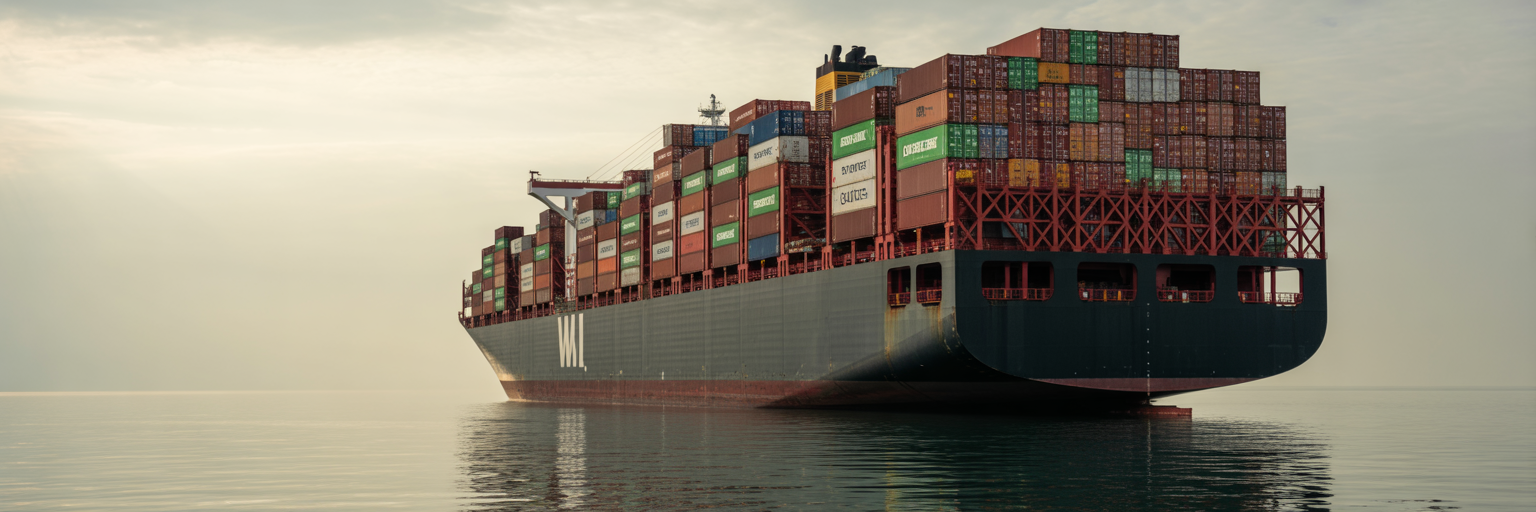
Beyond the immediate shock to oil markets, the conflict severs the connective tissues of global commerce and travel. The Persian Gulf is not just a conduit for energy but a vital crossroads for international trade. With the region now a designated conflict zone, the arteries of maritime shipping, aviation, and tourism have been frozen, creating cascading disruptions that are felt in factories and households thousands of miles away.
Paralyzed Maritime Shipping
The designation of the Persian Gulf as a high-risk area has brought non-oil maritime trade to a virtual standstill. The most telling indicator is the astronomical rise in insurance premiums for commercial vessels, which have skyrocketed by over 1,000%. This increase makes it financially unviable for most shipping companies to operate in the region. Consequently, container ships carrying everything from electronics to consumer goods are being rerouted around Africa, adding weeks to delivery times and millions of dollars in costs to each voyage. The result is a logistical nightmare that paralyzes a key segment of global trade.
Aviation Industry in Crisis
The commercial aviation industry is facing a dual crisis. Widespread airspace closures over Iran and surrounding areas have forced airlines to cancel thousands of flights and implement lengthy, inefficient reroutes. At the same time, the surge in global oil prices has caused jet fuel costs to double, gutting airline profit margins. This toxic combination translates into higher ticket prices for travelers, reduced global connectivity, and severe financial distress for an industry still recovering from previous global shocks.
Fractured Global Supply Chains
The disruptions in shipping and aviation are fracturing global supply chains at their weakest points. Manufacturers, particularly in the Asia-Pacific region, are experiencing significant delays in receiving critical components and shipping finished products. Projections suggest that this region alone will absorb nearly 50% of the economic shock from trade disruptions. The impact is tangible: production lines are halted, inventories dwindle, and businesses are unable to meet customer demand, leading to shortages and rising prices for consumers worldwide.
The table below summarizes how the conflict’s impact radiates from the immediate zone to disrupt interconnected global industries.
| Sector | Primary Disruption | Key Metric of Impact | Consequence |
|---|---|---|---|
| Maritime Shipping | High-risk designation of Persian Gulf | Over 1,000% increase in insurance premiums | Halt of non-oil cargo transit; rerouting adds weeks and millions in costs. |
| Commercial Aviation | Airspace closures and fuel price surge | Jet fuel prices doubled; thousands of flights cancelled | Increased operational costs for airlines, higher ticket prices for consumers, and severed routes. |
| Global Manufacturing | Component and finished goods delays | Asia-Pacific absorbs nearly 50% of economic shock | Production line stoppages, inventory shortages, and rising consumer prices. |
| Regional Tourism | Perception of widespread instability | Drastic decline in international arrivals | Billions in lost revenue for hospitality and service industries in neighboring countries. |
The Collapse of Regional Tourism
A secondary economic shockwave is hitting the wider Middle East: the collapse of its tourism sector. The perception of widespread instability has led to mass cancellations of travel to countries like the UAE, Oman, and Jordan, even though they are not directly involved in the fighting. International tourists are unwilling to risk traveling to a region they view as a conflict zone. This has resulted in billions of dollars in lost revenue for hotels, restaurants, and local businesses, devastating economies that rely heavily on tourism.
Sanctions and the Specter of Global Recession
The military conflict does not exist in a vacuum; it is amplified by a stringent regime of economic sanctions that acts as a powerful force multiplier. This combination of military action and economic warfare is not only deepening the humanitarian crisis within Iran but is also a key driver of the US-Iran conflict economic impact on a global scale. The compounding effects are rattling financial markets and pushing an already fragile world economy closer to a recession.
The Compounding Effect of Sanctions
It is crucial to understand that sanctions are not a clean alternative to war but an integral part of this escalating crisis. Layered on top of the physical destruction, they work to completely isolate Iran’s economy from the rest of the world. These measures are designed to be comprehensive, effectively blocking access to global financial systems and choking off trade. While intended to pressure the regime, they also create insurmountable barriers for humanitarian organizations trying to deliver food and medicine, thereby intensifying the suffering of the civilian population.
Negative Reactions in Global Financial Markets
Global financial markets have reacted with predictable alarm. The combination of a hot war in a critical region and the uncertainty of its economic fallout has triggered significant volatility. Stock markets from New York to Tokyo have seen sharp declines as investors shed risky assets and flee to the perceived safety of government bonds and gold. This “risk-off” sentiment has also led to capital flight from emerging markets, which are seen as more vulnerable to the economic contagion, further destabilizing the global financial system.
Vulnerability of Interconnected Economies
The modern global economy is a tightly woven web of interdependencies, and a crisis of this magnitude exposes its vulnerabilities. Economies in the Asia-Pacific, for instance, are particularly exposed. Their manufacturing hubs rely on both stable energy supplies from the Middle East and open shipping lanes to deliver goods to markets in Europe and North America. With both now under threat, these nations face a perfect storm of soaring energy costs, broken supply chains, and weakening demand from Western economies teetering on the brink of recession.
The Debate on Economic Warfare
The crisis has reignited the intense debate over the use of sanctions as a tool of foreign policy. The economic measures taken by the current U.S. administration reflect a broader strategic approach to international conflicts, details of which can be explored in our coverage of President Joe Biden’s foreign policy decisions. Proponents argue that sanctions are a necessary instrument to counter aggression without resorting to larger-scale military intervention. However, critics point to their severe and often indiscriminate impact, arguing that they function as a form of collective punishment that falls hardest on innocent civilians while failing to achieve their stated political goals.
The Long Shadow of Regional Destabilization

While the immediate human and economic costs of the conflict are staggering, its long-term consequences threaten to cast a dark shadow over the Middle East for decades to come. The war is not just destroying lives and economies; it is fundamentally reshaping the geopolitical landscape, creating a power vacuum, and shattering the prospects for diplomacy. The resulting geopolitical instability Middle East could prove to be the conflict’s most enduring and dangerous legacy.
The Risk of a Broader Regional War
The current conflict carries the immense risk of escalating into a wider regional conflagration. The fighting could easily spill beyond Iran’s borders, igniting a series of proxy wars and drawing in other nations. The primary risks include:
- Escalation through Proxies: Hostilities could intensify in theaters like Yemen, Syria, and Lebanon, where Iranian-backed groups are active, leading to a multi-front war.
- Direct Involvement of Gulf States: Neighboring Gulf Arab nations could be drawn into the conflict, either through direct attacks or by choosing to intervene.
- Miscalculation and Unintended Consequences: The high-stakes military environment increases the likelihood of a miscalculation by any party, which could trigger an uncontrollable chain reaction.
A Power Vacuum and Its Consequences
A central fear among regional and global powers is the potential collapse of the Iranian state, which would create a dangerous power vacuum. Such a scenario could lead to one of two disastrous outcomes: a chaotic, multi-sided civil war fought among various factions for control, or the rise of extremist groups, such as remnants of ISIS or new homegrown movements, who would exploit the lawlessness to establish new safe havens. Both possibilities would export even more instability across the region.
The Future of International Diplomacy
This conflict has inflicted deep wounds on international diplomacy that will be difficult to heal. The level of animosity and mistrust makes a negotiated settlement seem almost impossible in the short term. Even after the fighting stops, the challenges of post-conflict reconstruction, national reconciliation, and regional de-escalation will be immense. The diplomatic architecture that once managed regional tensions, however imperfectly, now lies in ruins, leaving a void that will be hard to fill.
Shifting Geopolitical Alliances
The crisis is forcing nations around the world to reassess their alliances and strategic postures. Countries are being pressured to choose sides, straining traditional partnerships and forging new, often uneasy, alignments. The current crisis does not exist in a vacuum; it is influenced by years of policy shifts under different leaders, including the preceding administration of Donald Trump, which altered the dynamics of U.S.-Iran relations. The conflict also places immense strain on long-standing military and political alliances, forcing organizations like NATO to navigate complex diplomatic and security challenges. The world that emerges from this conflict will likely be more fragmented and multipolar, with power dynamics in the Middle East and beyond fundamentally redrawn.