A World at a Critical Inflection Point
Much like the period following the Cold War, 2025 is not just another year on the calendar. It represents a critical inflection point where long-developing geopolitical, technological, and economic forces are converging with undeniable momentum. The established global order, once considered stable, is showing clear signs of fracturing. At the same time, artificial intelligence is moving from the periphery to become deeply integrated into the fabric of our society and economy.
These shifts are happening against a backdrop of mounting economic pressures and environmental change, creating a complex and often volatile global environment. The global events 2025 is witnessing are not isolated incidents but interconnected developments with profound consequences. This article breaks down the five most significant of these events, clarifying their individual weight and, more importantly, their collective impact on international stability and the realities of daily life. Understanding this new landscape is no longer an academic exercise; it is a necessity.
Event 1: The Deepening U.S.-China Strategic Rivalry

The defining geopolitical dynamic of our time is the strategic rivalry between the United States and China. This competition has matured far beyond the trade disputes that dominated headlines years ago. It is now a comprehensive contest for technological supremacy, military influence, and diplomatic dominance across the globe. A core battleground is the technology sector, particularly in semiconductors and AI. U.S. policy is increasingly aimed at curtailing China’s technological ascent, a strategy that sends disruptive ripples through global supply chains that were built on cooperation.
This detailed US China relations analysis reveals a world where nations feel growing pressure to align with either Washington or Beijing. The result is a more fragmented and unpredictable international system, where diplomatic and economic blocs are hardening. This intense competition is not without tangible risks. The potential for miscalculation is high in geopolitical hotspots like the South China Sea or over the status of Taiwan, where a direct confrontation remains a serious possibility. The strategic competition has been a central theme in the foreign policy of recent administrations, including that of figures like Donald Trump, and continues to shape global affairs.
Event 2: The Expansion and Normalization of Global Conflicts
The world in 2025 is grappling with more than just the persistent instability radiating from the war in Ukraine and the Israel-Gaza conflict. While these events continue to strain energy markets, food security, and the foundations of international law, they are symptomatic of a more alarming trend. We are witnessing the normalization of direct interstate warfare and a steady erosion of the peace that followed the Cold War. These are among the most concerning geopolitical instability trends of the year.
This shift is overwhelming the capacity of institutions like the United Nations to mediate disputes, leading to a rise in unilateral military actions. As the UN Foundation notes in its outlook, catastrophic conflicts are a primary global issue to watch, with severe implications for stability. The war in Ukraine, for instance, has fundamentally tested the resolve and strategic direction of alliances like our coverage of NATO shows. The cascading consequences are systemic and severe.
- Humanitarian Crises: The scale of displacement is immense, placing an unsustainable strain on global aid systems and creating refugee crises that spill across borders.
- Economic Costs: National budgets are increasingly diverting resources toward defence and away from critical areas like public health, infrastructure, and climate action, stunting long-term development.
- Erosion of Norms: The foundational principle of national sovereignty is being repeatedly challenged, creating a dangerous precedent where military force becomes a more accepted tool of statecraft.
Event 3: AI’s Wholesale Transformation of the Economy

In 2025, artificial intelligence has decisively transitioned from a speculative technology to a fundamental economic force. It is no longer a futuristic concept but a tool deeply integrated into core business functions, from optimising supply chains and creating content to informing high-stakes strategic decisions. However, the most profound change is the impact of AI on jobs and the global labour market. This transformation is creating a sharp, dual effect that societies are only beginning to address.
On one hand, we see widespread job displacement in roles centred on routine analytical and administrative tasks. On the other, new roles are emerging in AI development, ethics, and management. This creates an urgent societal challenge: how to reskill and upskill a significant portion of the workforce to prevent a widening gap between AI-proficient workers and those whose skills are becoming obsolete. As the World Economic Forum has highlighted, this AI-driven shift is a defining feature of the year. Consequently, the conversation around AI governance is no longer academic. Crafting regulatory frameworks to manage algorithmic bias, ensure data privacy, and define ethical use has become a pressing national and international policy imperative.
Event 4: The Great Realignment of Global Trade
The disruptions rippling through global commerce are not a temporary storm but a fundamental restructuring of how the world does business. The era of hyper-globalisation, defined by a relentless pursuit of economic efficiency, is over. The current landscape of global trade wars explained through sweeping tariffs and rising economic nationalism is forcing a worldwide push for trade diversification and supply chain resilience. Geopolitical alignment is now a key factor in trade relationships, giving rise to concepts like “friend-shoring,” where countries prioritise trade with allies.
This shift marks a move away from a purely market-driven logic to one heavily influenced by political and strategic considerations. The table below contrasts the old model with the new, fragmented reality.
| Factor | Old Model: Hyper-Globalization (c. 1990-2020) | New Model: Fragmented Globalization (2025) |
|---|---|---|
| Primary Goal | Economic efficiency and cost reduction | Supply chain resilience and security |
| Key Driver | Lowest-cost production, regardless of location | Geopolitical alignment (‘friend-shoring’) |
| Supply Chain Structure | Lean, just-in-time, often single-sourced | Redundant, diversified, multi-regional |
| Dominant Logic | Purely economic and market-driven | Politically and strategically influenced |
This table contrasts the principles of the previous era of globalization with the emerging model of 2025. The data reflects a shift from a purely economic rationale to one where geopolitical considerations are paramount, based on analysis from institutions like the World Economic Forum.
The economic impact is mixed. While some developing nations may benefit from investment redirected from geopolitical rivals, the overall trend points toward increased costs, persistent market uncertainty, and slower growth for the global economy. For those interested in staying informed on these and other pressing topics, our homepage offers continuous coverage.
Event 5: The Accelerating but Contested Clean Energy Transition
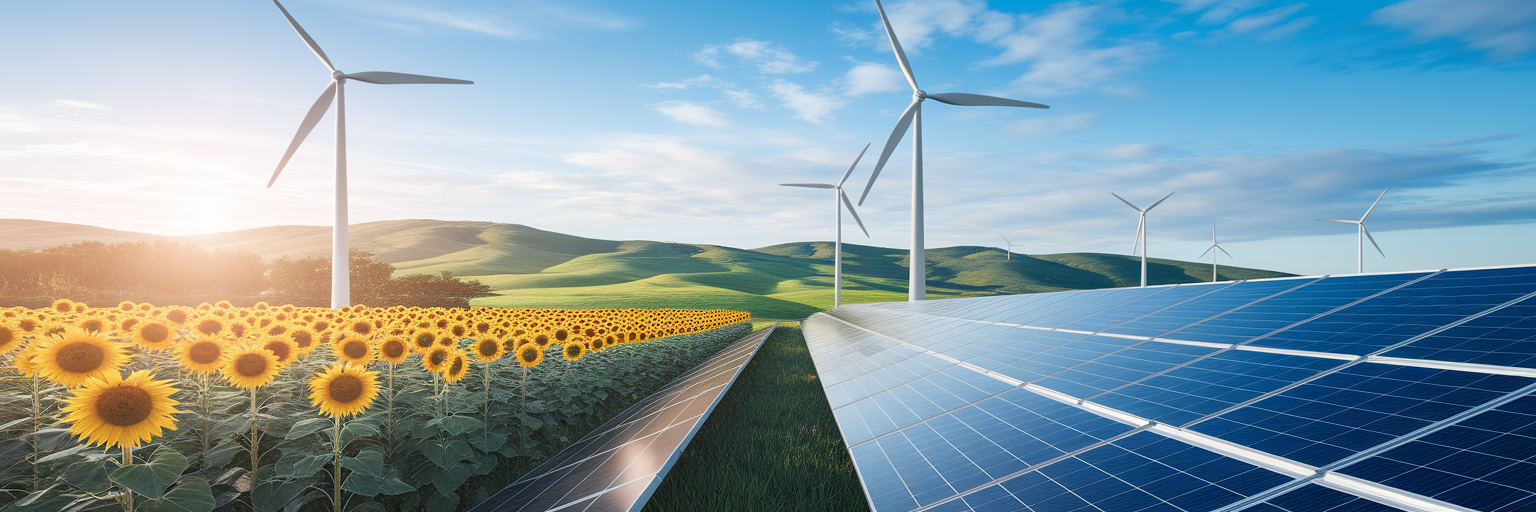
The global energy landscape in 2025 is defined by a powerful tension. On one side, there is unprecedented growth in renewable energy, with solar and wind now the fastest-growing sources of electricity generation worldwide. This acceleration is a direct response to climate imperatives and falling technology costs. However, this progress is running headfirst into significant obstacles and clean energy transition challenges that are slowing the pace of change.
These hurdles are both practical and political. Key among them are:
- High upfront infrastructure costs for building new grids and retiring fossil fuel plants.
- Technological gaps in long-duration energy storage and grid modernization needed to handle variable power sources.
- The inherent intermittency of renewable sources, which still requires reliable backup power from other sources.
A new geopolitical dimension has also emerged: an intense global competition for critical minerals like lithium, cobalt, and rare earth elements. This is creating new resource dependencies and potential conflict points, replacing old reliance on oil and gas with new strategic vulnerabilities. Governments are now forced to make difficult policy trade-offs, balancing long-term climate goals against immediate energy security needs, a dilemma made more acute by global conflicts disrupting traditional energy supplies.
Navigating a New and Interconnected Reality
The five events shaping 2025 are not happening in isolation. They are deeply intertwined forces creating a new and more complex global reality. The U.S.-China rivalry, for example, directly fuels the race for AI dominance while simultaneously accelerating the realignment of global trade away from efficiency and toward security. At the same time, the expansion of global conflicts complicates the clean energy transition, as nations prioritise short-term energy security over long-term climate goals.
A clear understanding of this dynamic interplay is essential for policymakers, business leaders, and informed citizens. The world is not simply changing; it is undergoing a foundational restructuring. The choices made this year in response to these five interconnected events will set the trajectory for the global landscape for the next decade and beyond.