Since the pandemic, school board meetings have transformed from quiet civic procedures into frontlines for national debates, drawing unprecedented attention to education policy. We have all seen the viral clips of parents clashing with administrators. This intense focus has catalyzed a wave of conservative-led reforms aiming to fundamentally reshape American schooling, reflecting a broader political climate we cover daily on our platform.
The New Conservative Blueprint for Education
What is unfolding across the country is not a collection of isolated policies but a systematic blueprint for conservative education reform. This strategy is built on three core pillars: expanding school choice, asserting control over curriculum, and legally codifying parental authority. This movement did not appear overnight. It gained significant momentum from the perfect storm of pandemic-era school closures, heated debates over curriculum content like critical race theory, and widespread concerns about declining academic standards.
The frustration parents felt while watching their children struggle with remote learning gave them a direct, unfiltered window into the classroom. For many, what they saw was unsettling. This created the political will for a deliberate strategy to counter what is perceived as a dominant progressive influence in public education. States like Florida, Texas, Ohio, and Utah have become laboratories for this new approach, enacting laws that redirect public funds, rewrite academic standards, and empower parents with new legal tools.
The overarching goal is clear: to create an education system that operates on different principles. Instead of a one-size-fits-all public model, this vision prioritizes parental choice and market-based competition. It seeks to replace what proponents see as divisive, critical pedagogies with a curriculum that instills specific patriotic values. This blueprint represents a fundamental challenge to the structure and purpose of American public education as it has existed for the last century.
Expanding School Choice Beyond Public Systems

At the heart of the conservative push is the expansion of school choice programs, designed to break what supporters call the “monopoly” of traditional public schools. The core idea is that parents, not zip codes, should determine where their children are educated and that public funds should follow the student. This is being implemented through several key mechanisms:
- Education Savings Accounts (ESAs): These programs deposit a portion of state education funds into a parent-controlled account. Parents can then use these funds for a variety of approved educational expenses, including private school tuition, tutoring, online courses, and therapies.
- Vouchers: A more direct mechanism, vouchers are essentially scholarships funded by the state that parents can use to pay for tuition at private schools, including religious institutions.
- Charter Schools: These are publicly funded schools that operate independently of the traditional public school system. They have more flexibility in their curriculum and operations, offering an alternative within the public sphere.
The growth of these programs has been explosive. According to a February 2026 report from EdChoice, a growing number of states are moving toward universal or near-universal choice, where every student is eligible for public funding to attend a school of their choice. The philosophical argument is compelling for many: competition forces all schools, public and private, to improve, and parents are ultimately the best decision-makers for their children. In states like Texas, where political figures such as Governor Greg Abbott have championed these initiatives, the debate is central to the state’s political identity, a dynamic we’ve explored in pieces like our coverage of Texas politics.
However, this expansion is not without sharp criticism. Opponents argue that these programs drain desperately needed funds from public schools, which are legally obligated to educate all students, including those with the most significant needs. There are also persistent concerns that school choice can lead to increased socioeconomic and racial segregation, as private schools are not bound by the same enrollment rules. Furthermore, the lack of accountability and transparency in some private institutions raises questions about whether public funds are being spent effectively. As new educational providers emerge to meet this demand, they often rely on financial tools like secured small business loans to establish themselves, introducing market dynamics into the educational landscape. While school choice undeniably offers more freedom to some families, its long-term impact on educational equity remains one of the most contentious questions in the debate.
Curriculum Reforms Centered on American Identity
Beyond funding, the second major front in this reform movement is the classroom curriculum itself. Legislatures in conservative states are actively reshaping what students are taught, driven by a belief that modern education has become overly critical of the United States and its history. The goal is to restore a sense of patriotic instruction and national unity. This has led to specific legislative mandates for a civics education curriculum focused on foundational documents like the Constitution and the Federalist Papers, alongside required instruction in American history and Western civilization.
As a recent report from KATV highlighted, states like Ohio, Utah, and Florida are at the forefront of these changes, passing laws that dictate specific content for both K-12 and university-level courses. The ideological motivation is straightforward: proponents argue that a shared understanding of the nation’s founding principles is essential for a cohesive society. They contend that for too long, students have been taught a narrative of oppression and failure, and a course correction is needed to foster pride and civic responsibility.
A key component of this effort is the passage of laws banning “divisive concepts.” These laws aim to restrict instruction related to race and gender that proponents claim constitutes indoctrination. They argue that such teaching can make students feel guilt or anguish based on their race and that schools should be neutral spaces free from political agendas. This includes restrictions on discussions of gender identity, a topic that has become a flashpoint in cultural debates and one we provide more background on in our broader coverage of transgender issues.
However, these curriculum changes have been met with fierce resistance from many educators, historians, and civil liberties groups. Critics argue that these laws amount to censorship and create a chilling effect in the classroom, discouraging teachers from addressing complex or controversial topics. They warn that banning “divisive concepts” promotes a sanitized and inaccurate version of history, one that ignores the nation’s struggles with slavery, segregation, and inequality. This creates a fundamental tension between two competing visions of education. Is the purpose to instill a unifying national narrative, or is it to equip students with the critical thinking skills to grapple with all aspects of their history, both triumphant and tragic?
The Rise of Parental Rights in School Policy
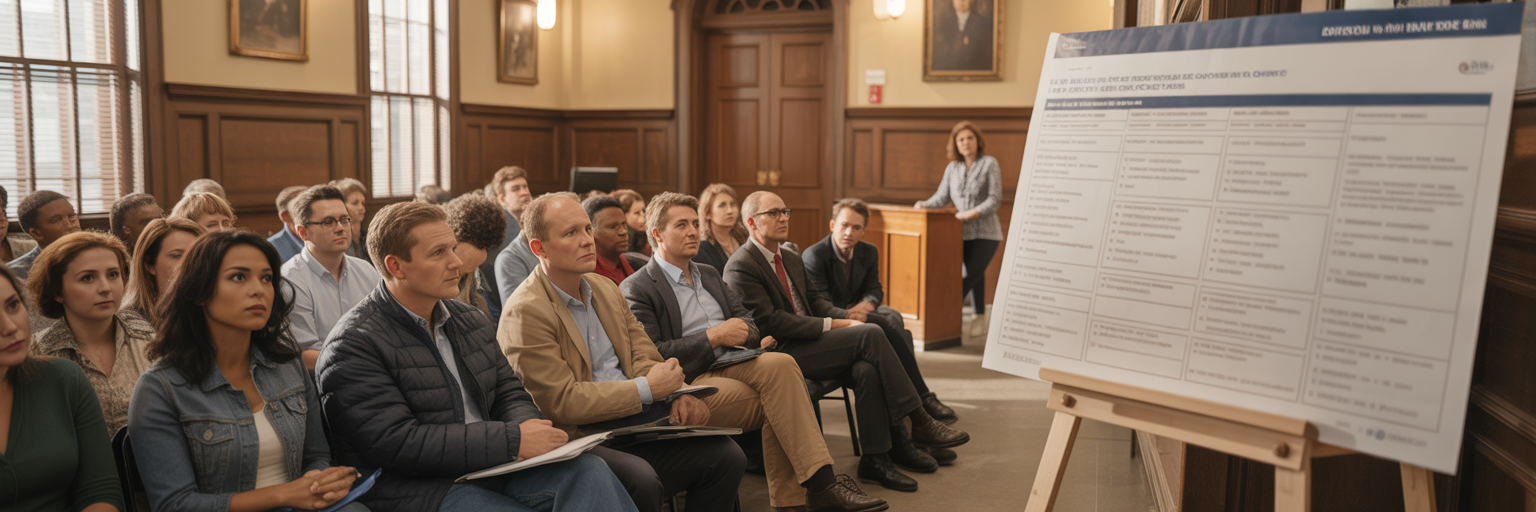
The third and perhaps most potent pillar of the conservative education movement is the push for parental rights in education. This is not about encouraging more parent-teacher conferences or bake sales. It is a legal movement to grant parents explicit authority over what their children are taught and exposed to in public schools. The idea itself is not new; a 2010 set of Republican principles, as documented by the Education & the Workforce Committee, laid the groundwork for empowering parents. However, the pandemic acted as a powerful accelerant.
When parents got a direct view into virtual classrooms, many felt a disconnect between what was being taught and their own family values. This experience mobilized a grassroots movement that political leaders, including prominent figures like Donald Trump, quickly championed. The result has been a wave of legislation across the country designed to shift power from education professionals to individual parents.
These laws take several forms. Some mandate full curriculum transparency, requiring schools to post all teaching materials online for parental review. Others establish formal processes for parents to challenge and remove library books they deem inappropriate. Many states have also passed laws requiring parental consent before students can be taught about sensitive topics, particularly regarding gender and sexuality. Proponents argue these measures are essential for accountability. They believe that schools, as public institutions, should reflect the values of the communities they serve and that parents have the ultimate right to direct their children’s upbringing.
But these laws have consequences, both intended and unintended. Critics, including many teachers and school administrators, warn that they can lead to a climate of fear and intimidation. They report being harassed over lesson plans and library selections, and they argue that policy is increasingly being dictated by small but highly vocal groups. The process of challenging books can be weaponized to target content related to LGBTQ+ identities or racial history, effectively silencing marginalized voices. This movement represents a fundamental power shift in the governance of public schools, raising a critical question: Where does the expertise of an educator end and the authority of a parent begin?
Analyzing the Arguments For and Against These Reforms
The intense debate over education policy in red states is not just about specific laws; it is a clash of fundamentally different philosophies about the purpose of public education. To understand the stakes, it is essential to analyze the core arguments from both sides. Proponents of the conservative reforms and their opponents, often aligned with political figures like Joe Biden who advocate for strengthening public systems, see the future of American schooling through vastly different lenses.
Supporters of the reforms argue they are a necessary response to a failing system. They believe that:
- Competition is the cure: By introducing market forces through school choice, they contend that all schools will be forced to improve their performance to attract students, ultimately benefiting everyone.
- Parents know best: They see parents as the primary stakeholders in education and believe that restoring their authority ensures schools remain accountable to the community.
- Civic virtue is essential: They argue that a curriculum focused on patriotic history and foundational American values is necessary to create unified, responsible citizens.
Conversely, opponents warn that these reforms pose a grave threat to the institution of public education and democratic principles. They argue that:
- Public schools are a public good: They believe that draining funds from public schools through voucher and ESA programs will weaken a cornerstone of American democracy that is meant to serve all children.
- Academic freedom is at risk: They see curriculum restrictions and book bans as censorship that undermines the ability of teachers to teach honestly and students to think critically.
- Reforms harm marginalized students: They contend that these policies often target content related to race and LGBTQ+ identity, creating a hostile environment for vulnerable students and promoting an exclusionary version of history.
This deep divide is best understood by looking at the central arguments side-by-side.
| Area of Reform | Proponents’ Arguments | Opponents’ Arguments |
|---|---|---|
| School Choice Programs | Creates competition, improves quality, and empowers parents, especially those in failing school districts. | Drains vital funding from public schools, increases segregation, and lacks accountability. |
| Curriculum Standards | Restores patriotic pride, unifies students around foundational American values, and removes political indoctrination. | Constitutes censorship, sanitizes history, and limits students’ ability to engage in critical thinking. |
| Parental Rights Legislation | Ensures schools are accountable to parents and reflect community values; restores parental authority. | Empowers small vocal groups, leads to teacher harassment, and creates a chilling effect in classrooms. |
Ultimately, the conflict boils down to one question: Is the primary purpose of public education to serve the individual needs and values of each family, or is it to serve the collective good by providing a common, inclusive education for all future citizens?
The Long-Term Stakes for American Education
The wave of conservative education reforms is more than a passing political trend; it represents a potential turning point for the nation. The policies being enacted at the state level today could easily set the stage for federal legislation, especially depending on the outcomes of national elections. If these reforms become widespread, the long-term societal impacts could be profound. What does it mean for social cohesion if students in different states are taught vastly different versions of their nation’s history? How does political polarization evolve when the shared knowledge base of American citizens begins to fracture?
As conservative states push forward with this blueprint, many progressive states are moving in the opposite direction, doubling down on equity initiatives, inclusive curricula, and investments in the public school system. This is creating an increasingly fragmented and ideologically divided educational landscape, where a child’s education is determined more by their state’s political affiliation than by any national consensus.
This is not just a policy debate about funding formulas or curriculum standards. It is a struggle to define America’s future identity. The outcomes in states like Florida, Texas, and Ohio are serving as a critical test case for the nation’s democratic ideals. The question is no longer just about how to improve schools; it is about what we believe schools are for. The answer will shape the next generation of American citizens and, in doing so, the future of the republic itself.