For decades, the global economy tilted heavily towards established Western powers. Today, that centre of gravity has decisively shifted, with emerging and developing economies now accounting for nearly 60% of the world’s GDP, signalling a fundamental restructuring of international influence.
The Shifting Centre of Economic Gravity
The terms ‘emerging economies’ and ‘Global South’ often bring to mind a uniform group of nations. In reality, they represent a diverse collection of countries across Asia, Africa, and Latin America, each with unique trajectories. What unites them is the sheer scale and speed of their economic ascent. According to the International Monetary Fund, these nations now generate nearly 60% of global GDP when measured by purchasing power parity. This is not a gradual change. Just a decade ago, that figure was significantly lower, highlighting a rapid acceleration.
This shift is not a recent phenomenon but the culmination of a long-term trend. Since the 2008 financial crisis, emerging economies have been the world’s primary growth engine, contributing over 80% of global economic expansion. While established economies dealt with stagnation, nations like China, India, and Brazil powered forward, lifting millions out of poverty and building substantial domestic markets.
The political consequence of this economic rebalancing is the formation of a new global structure. The era of a single dominant superpower is giving way to a system where influence is more widely distributed. This is the essence of what a multipolar world order explained truly means: a world with multiple centres of economic and political power, each capable of shaping global affairs. This section has outlined what is happening; the following sections will explore how and why.
Economic Engines of a Changing World
The macroeconomic statistics paint a clear picture of a changing world, but the real story lies in the specific economic mechanisms driving this transformation. This is not just about growth in raw output. It is about the construction of sophisticated, modern economies that are fundamentally altering global trade and investment flows.
The Rise of South-South Commerce
For generations, international trade was defined by a North-South dynamic, with developing nations supplying raw materials to industrialised countries. That model is now being complemented, and in some cases replaced, by a dramatic increase in commerce between emerging economies themselves. This south-south trade growth is creating resilient, self-sufficient economic networks that are less dependent on Western markets. Projections suggest this trade could approach $14 trillion by 2033, creating a powerful economic bloc with its own internal logic and momentum.
A New Destination for Global Capital
Perhaps nothing signals the shift in confidence more clearly than the flow of money. For the first time, the Global South now attracts more foreign direct investment (FDI) than advanced economies. Investors are no longer just looking to the West for stable returns. They see the future of growth in the burgeoning middle classes and expanding industries of Asia, Africa, and Latin America. This influx of capital is not just a number on a balance sheet; it funds the infrastructure, technology, and innovation that fuel further development.
Internal Economic Transformation
Internally, these nations are undergoing profound structural changes. Many are moving away from economies based on agriculture or commodity exports towards diversified, industrialised models. This transition is supported by the adoption of modern financial systems, stronger regulatory standards, and investments in education and technology. By building these foundational pillars, emerging economies are enhancing their global competitiveness and ensuring their growth is sustainable.
| Economic Indicator | Old Order (Late 20th Century) | New Emerging Order (21st Century) |
|---|---|---|
| Primary Growth Engine | G7 and Developed Nations | Emerging Economies (contributing >80% of growth) |
| Dominant Trade Flows | North-North and North-South | Rapidly growing South-South trade |
| Foreign Direct Investment (FDI) | Concentrated in developed markets | Majority now flows to the Global South |
| Economic Structure | Industrialised North, commodity-based South | Industrialisation and service sector growth in the South |
Note: This table illustrates the structural economic shifts over the past two decades, based on data and trends reported by institutions like the IMF and World Bank.
From Economic Clout to Political Influence

Economic strength inevitably translates into political power. As emerging economies have grown their financial muscle, they have begun to actively convert it into diplomatic leverage on the world stage. This is not a passive process but a deliberate strategy to reshape global governance and assert their own interests. The growing role of emerging economies is most visible in three key areas:
- Achieving Diplomatic Autonomy. Financial independence has allowed many nations in the Global South to pursue foreign policies that are not tied to the agendas of traditional power blocs. This has led to a more complex and ‘non-aligned’ international environment, where countries make decisions based on their own national interests rather than historical allegiances. This new autonomy directly challenges the influence of established alliances, and you can explore the dynamics of one such organisation in our analysis of NATO.
- Reshaping Global Institutions. For years, emerging nations have argued that institutions like the IMF and the World Bank do not reflect the current economic reality. They are now using their collective weight to push for greater voting power and a larger say in how these bodies are run. In parallel, they are creating their own alternative platforms, such as the BRICS New Development Bank, to finance infrastructure and development projects without the conditions often attached by Western-led institutions.
- Forging New Strategic Alliances. New groupings like BRICS and the Shanghai Cooperation Organisation are more than just trade agreements. They are political coalitions designed to amplify the collective voice of their members on critical global issues, from climate change and security to digital governance and trade regulations. This increased global south political influence forces established powers to engage with them as partners, not patrons.
Navigating Headwinds and Internal Challenges
The ascent of emerging economies is a powerful trend, but it is not an inevitable one. The path forward is filled with significant risks and internal hurdles that could slow or even reverse their progress. Acknowledging these challenges provides a more complete and analytical picture of their position in the world.
These nations face considerable economic volatility. As an analysis from the International Monetary Fund highlights, challenges like asynchronous monetary policies from developed nations can create disruptive capital flows, while an over-reliance on commodity prices leaves many economies vulnerable to global market swings. These external pressures are compounded by internal issues.
Many emerging powers grapple with significant domestic pressures that threaten stability and growth. These include:
- Persistent Social Inequality: The benefits of economic growth are not always distributed evenly, leading to social tensions and political instability.
- Geopolitical Vulnerability: Regional conflicts, climate disasters, and other external shocks can quickly derail economic progress and divert resources from long-term development goals.
- The Governance Gap: In many cases, rapid economic expansion has outpaced the development of strong, transparent institutions. Ongoing struggles with corruption and the difficulty of building robust regulatory frameworks remain significant obstacles to attracting sustained investment and ensuring fair growth.
Ultimately, the expanding role of emerging economies depends on their ability to successfully manage these complex internal and external challenges. Their future influence is not guaranteed; it must be secured through effective governance and resilient policymaking.
The Future Trajectory of Emerging Powers
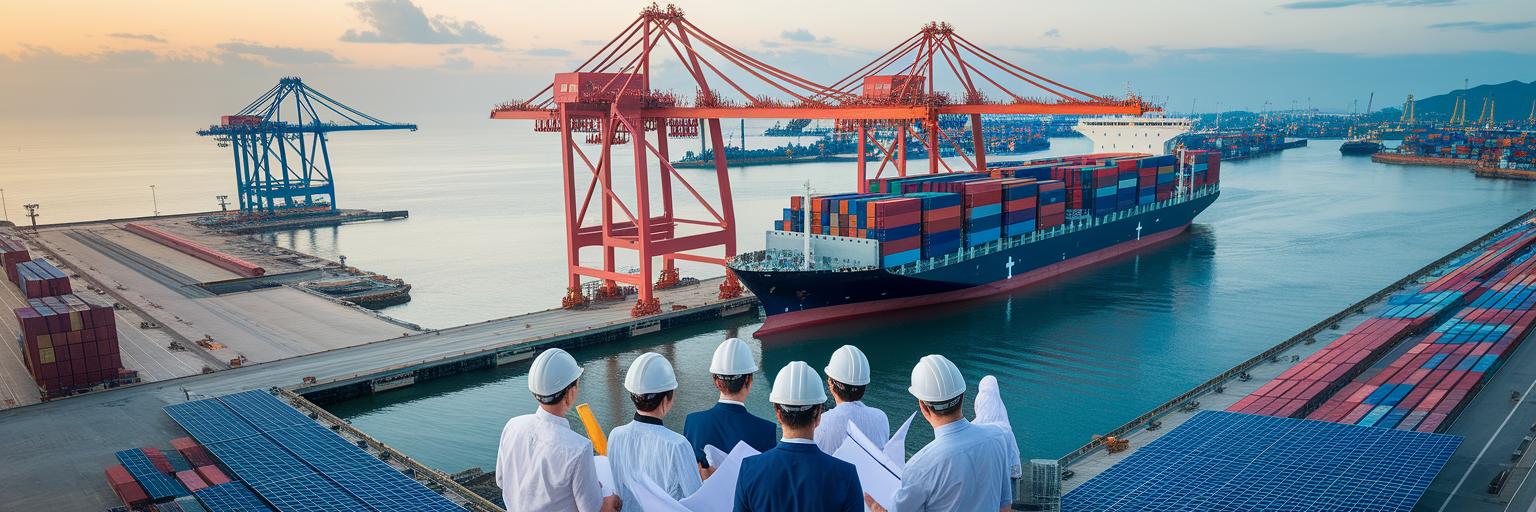
Looking ahead, the future of global economics will be defined by how emerging powers leverage their unique advantages and navigate their challenges. Their trajectory is not just about continued growth but about strategic positioning in the industries that will define the 21st century. Several nations are poised to play an outsized role in this new landscape.
According to a recent analysis by Boston Consulting Group, India is on track to become the world’s third-largest economy by 2029. Alongside India, countries like Brazil and Indonesia are also making significant gains, leveraging their large populations and growing domestic markets to become regional and global powerhouses. Their ascent is reshaping economic hierarchies and creating new centres of influence.
A critical factor in their future success is the global energy transition. Many emerging economies are rich in the critical minerals essential for green technology, such as lithium, cobalt, and copper. This geological good fortune places them at the centre of the 21st-century supply chain, giving them immense strategic leverage. They are no longer just suppliers of old-world commodities but indispensable partners in building a sustainable global economy.
However, this potential will only be realised through proactive and strategic policymaking. Successful nations are those implementing ambitious reforms, offering attractive investment incentives, and funding massive infrastructure projects to secure a competitive edge. The future will be determined not just by economic size, but by the ability to innovate and lead in key sectors like technology, renewable energy, and digital services. For more insights on global affairs, you can explore the topics covered on our main page.
Adapting Global Governance for a New Era
The economic and political shifts detailed throughout this article lead to an unavoidable conclusion: the unipolar world order is over. The rise of emerging economies and the corresponding growth in global south political influence mark a definitive move towards a multipolar system. This new reality demands a fundamental rethinking of how the world is governed.
Global institutions like the United Nations and the World Trade Organization were created in a different era, reflecting a distribution of power that no longer exists. For these bodies to remain legitimate and effective, they must adapt their structures to give emerging powers a seat at the table that is commensurate with their influence. Without reform, these institutions risk becoming obsolete, bypassed by new alliances and alternative platforms.
This brings us to the central question for the next decade: will this multipolar world lead to greater cooperation on shared challenges like climate change and pandemics, or will it devolve into heightened competition and fragmentation? The response of established powers, including the foreign policy decisions made by the administration of leaders like Joe Biden, will be a critical factor. A willingness to engage with emerging powers as equal partners could build a more stable and collaborative global system.
Ultimately, the character of the 21st-century global order is not yet written. It will be determined by the actions of both established and rising powers. Their ability to navigate this transition with foresight and diplomacy will decide whether the new era is one of shared prosperity or renewed conflict.