The State of American Housing in 2025
As 2025 draws to a close, a stark economic reality has settled in for millions of Americans. For a record number of households, the basic need for shelter now consumes over 30% of their income, a threshold that defines housing as a financial burden. This is not a temporary market fluctuation. It is the result of a perfect storm where years of chronic housing shortages have collided with persistent inflation, creating immense pressure on renters and would be homeowners alike. The financial strain extends far beyond just the sticker price of a home or the monthly rent check. Families are now grappling with escalating property taxes and homeowners’ insurance premiums that climb higher each year.
For an entire generation, the dream of homeownership feels more distant than ever. Elevated mortgage rates have become a formidable barrier, effectively locking out qualified buyers who find their purchasing power eroded. The inflation impact on housing market dynamics has turned a cornerstone of the American dream into a source of widespread economic anxiety. This article will investigate the concrete policy solutions being debated for 2026, exploring what it will actually take to break this cycle and close the widening gap between housing as a fundamental need and its current status as an unaffordable commodity.
How Inflation Fuels the Housing Shortage

To understand the depth of the housing crisis, it is essential to look beyond the surface level price increases. Inflation does not just make existing homes more expensive; it actively strangles the creation of new ones. This dynamic unfolds through several distinct pressures that compound the underlying supply deficit. By examining these mechanics, we can better understand the urgent question of how to stabilize housing prices by addressing the root causes.
The Rising Cost of Construction
The most direct impact of inflation is on the supply side. Think of the raw materials required to build a home. The costs for essentials like lumber, steel, and concrete have surged, making new construction projects significantly more expensive to undertake. This is not just a line item on a developer’s budget. These higher costs translate into delayed projects, scaled back developments, and ultimately, fewer new homes hitting the market. At the same time, a tight labor market means wages for skilled construction workers have also risen, adding another layer of expense that developers must pass on to buyers.
Real Estate as an Inflation Hedge
During periods of high inflation, investors often seek refuge in tangible assets that hold their value. Real estate has long been a favored choice. This flight to safety, however, has a profound effect on the housing market. As institutional investors and cash rich buyers purchase properties to hedge against inflation, they compete directly with families looking for a place to live. This surge in investment demand reduces the already limited inventory of homes for sale, pushing prices even higher and leaving typical homebuyers struggling to compete.
The CPI Feedback Loop
Perhaps the most insidious effect is the feedback loop involving the Consumer Price Index (CPI), the government’s primary measure of inflation. Housing costs are a major component of the CPI. When rents and home prices rise, they contribute to a higher overall inflation rate. In response, the Federal Reserve may raise interest rates to cool the economy, which in turn makes mortgages more expensive. This creates a vicious cycle: rising housing costs fuel inflation, and the response to that inflation makes housing even less affordable, further discouraging new construction.
Federal Proposals on the 2026 Horizon
With the housing crisis now a central issue in American life, Washington is showing signs of a growing bipartisan consensus for action. The conversation is shifting from diagnosing the problem to debating concrete federal housing policy proposals. Several key pieces of legislation are gaining traction, signaling a national response to what has become a national crisis. These efforts, which you can follow in our broader coverage of U.S. politics, aim to tackle the supply shortage from multiple angles.
According to a recent report from HousingWire, advisory groups are also presenting comprehensive strategies to the White House, adding momentum to the legislative push. Two major bills are at the forefront of the 2026 agenda:
- The HOME Reform Act of 2025: This bill focuses on streamlining the development process for affordable housing. Its key provisions aim to cut bureaucratic red tape that often stalls projects and to create new, more accessible pathways to homeownership for low and middle income families.
- The ROAD to Housing Act: Included in the 2026 National Defense Authorization Act (NDAA), this Senate proposal is designed to boost housing supply by reducing federal regulatory hurdles. The goal is to make it faster and cheaper for builders to get new projects off the ground, particularly in areas with severe shortages.
Beyond these acts, policy suggestions from groups like the Terwilliger Center for Housing Policy are also under consideration, including reviews of prevailing wage laws that can impact construction costs. Together, these initiatives represent a multi-pronged federal strategy that acknowledges the need for decisive action to increase the nation’s housing stock.
The Critical Role of State and Local Reforms
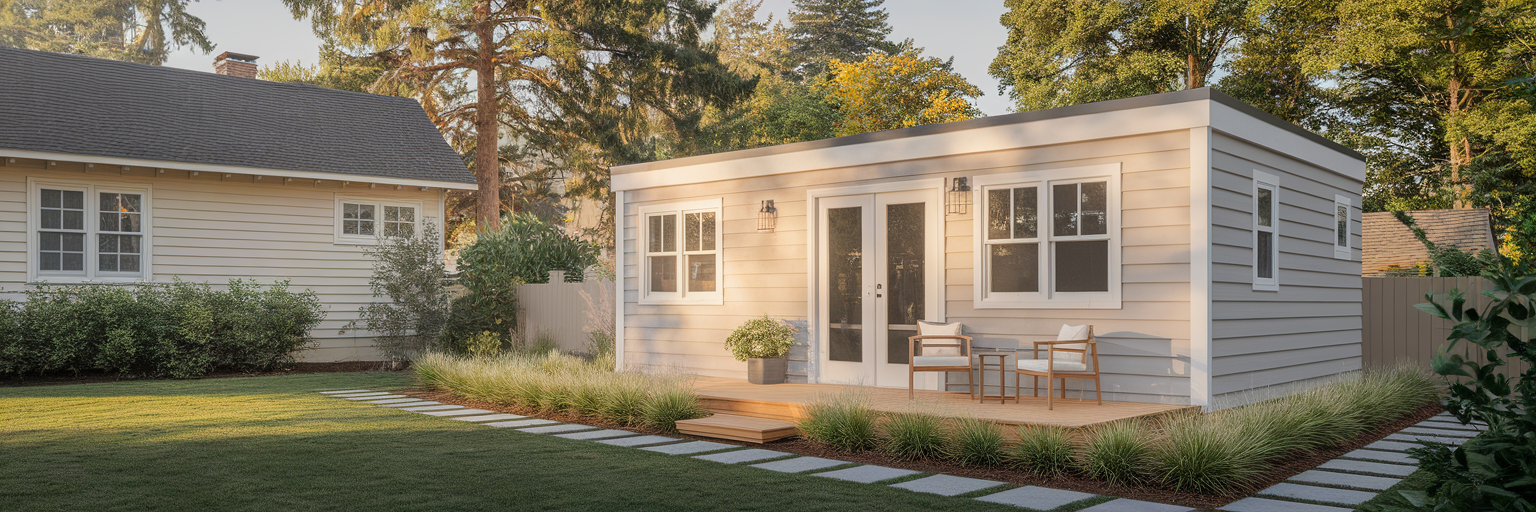
While federal action sets the national tone, many of the most significant barriers to housing construction are erected at the local level. The real battle for affordability is often fought in city council meetings and state legislatures, where zoning laws and land use regulations dictate what can be built and where. This is where state level zoning reform becomes one of the most powerful tools available. As institutions like the Mercatus Center have outlined, states have a menu of options to encourage density and reduce costs.
These reforms directly challenge the decades old model of single family zoning that has made it illegal to build more affordable housing types, like duplexes or small apartment buildings, in many neighborhoods. The political hurdles are often significant, as seen in the intense community debates that can arise over local governance, sometimes escalating into heated public confrontations. However, a growing number of states and cities are recognizing that these changes are necessary.
Key reforms include legalizing Accessory Dwelling Units (ADUs), or “granny flats,” in backyards, and “upzoning” major transit corridors to allow for multi family housing. Others are eliminating costly parking minimums for new developments and creating pathways for converting underused commercial buildings into residential units. These policies are not just theoretical; they are practical steps to increase housing density and make more efficient use of available land.
| Reform Type | Primary Goal | Common Political Hurdle |
|---|---|---|
| Accessory Dwelling Units (ADUs) | Increase density in existing single-family neighborhoods | Concerns over parking, privacy, and neighborhood character |
| Upzoning Corridors | Allow multi-family housing along major transit routes | Resistance from adjacent single-family homeowners |
| Eliminating Parking Minimums | Reduce construction costs and encourage alternative transit | Fears of street parking congestion and impacts on local business |
| Commercial-to-Residential Conversion | Repurpose underutilized office or retail space for housing | Complex building code conversions and infrastructure needs |
Note: This table summarizes common zoning reforms proposed to increase housing supply. The political viability and impact of each can vary significantly based on local economic conditions and community engagement.
Financial Levers and Income-Based Support
While increasing supply is the long term answer, millions of families need immediate help to afford a place to live. This is where demand side financial assistance and income based support become critical components of any comprehensive strategy. These programs do not build new homes, but they provide the stability households need to stay in their existing ones or access housing that would otherwise be out of reach. These are some of the most direct housing affordability solutions 2026 could deliver.
The effectiveness of these programs, however, depends entirely on adequate funding, a process that can be fraught with political challenges and public scrutiny, as illustrated by the controversy surrounding a scrapped migrant housing contract. Several key financial mechanisms are central to this part of the solution:
- Housing Choice Vouchers: These subsidies help low income families afford rent in the private market. Organizations like the National Low Income Housing Coalition (NLIHC) argue that a significant funding increase in 2026 is essential to prevent a wave of evictions and homelessness as pandemic era support programs expire.
- First-Time Homebuyer Assistance: Programs funded through the Federal Home Loan Banks’ (FHLBanks) Affordable Housing Program (AHP) provide down payment and closing cost assistance. This support can be the deciding factor for families who have steady income but struggle to save for the initial costs of homeownership.
- Market Liquidity and Stabilization: On a broader scale, the FHLBanks play a crucial role by providing liquidity to community banks and credit unions. This function helps stabilize regional economies against a housing market slowdown, ensuring that local lenders can continue to provide mortgages and support their communities.
Lessons from Housing Policies Abroad
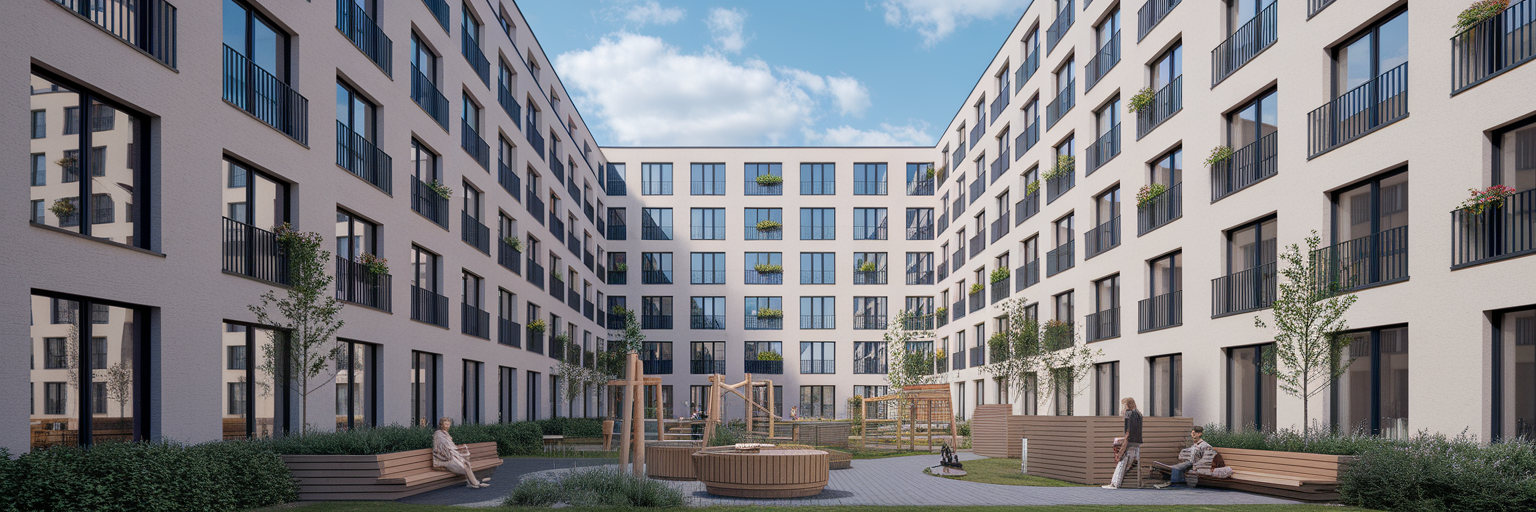
The United States is not alone in its struggle with housing affordability. Many developed nations have faced similar crises, and their experiences offer valuable lessons. Examining these international approaches provides a broader context for the American debate, revealing strategies that could be adapted to fit the U.S. landscape. These global perspectives are often shaped by wider geopolitical realities, similar to how alliances like NATO influence international policy.
One prominent strategy is aggressive, government-led public housing development. In countries like Austria and Singapore, the government takes a direct role in constructing and managing a large portion of the housing stock. This approach guarantees a steady supply of affordable units and gives public authorities significant control over costs, insulating a segment of the market from speculative pressures.
Another common model involves public-private partnerships, such as inclusionary zoning. Under this framework, local governments offer private developers incentives like increased density allowances or expedited permits. In exchange, developers are required to set aside a percentage of the new units as affordable housing. This leverages the efficiency of the private sector to achieve public policy goals.
Finally, rent control remains a widely debated tool. It can offer immediate and tangible relief for tenants by capping rent increases. However, a balanced perspective is crucial. Many economists argue that strict, long term rent control can discourage investment in new construction and maintenance, potentially reducing the overall housing supply and quality over time.
A Multi-Faceted Path to Affordability
The path to restoring housing affordability in America is not a straight line. As the debates heading into 2026 make clear, there is no single bill or policy that can solve this crisis alone. The solution lies in a comprehensive and sustained effort that combines proactive federal legislation, bold state and local reforms, and robust financial support for households. Each piece is essential to addressing both the chronic lack of supply and the immediate affordability gap facing millions of families.
The proposals on the table represent a powerful toolkit. Federal acts can clear away regulatory underbrush, while state and local zoning reforms can unlock land for new development. At the same time, income based support can provide a critical safety net for the most vulnerable. However, the greatest challenge may not be a lack of ideas, but a lack of political will. Many of these solutions, particularly at the local level, face fierce opposition. Overcoming this resistance will require building a broad public consensus that recognizes the economic and social costs of inaction.
The year 2026 stands to be a pivotal moment. The severe economic pressure on American families has created a unique window of opportunity for lawmakers, including influential figures like Donald Trump who shape the national conversation, to take decisive action. The question is no longer what can be done, but whether they will choose to do it.