For decades, the conservative movement championed a hands-off, free-market approach to business. The idea of government telling a private company how to operate was anathema. Yet, a significant political realignment is underway, driven by a belief that the world’s largest technology companies have become a threat to free expression. This has ignited the conservative states vs big tech battle, a conflict that is reshaping both law and politics.
The Genesis of the Conservative Techlash
The push for state-level regulation is not a random collection of grievances. It is a coordinated political response to what many conservatives see as systemic bias from Silicon Valley. This movement represents a major ideological pivot, where the traditional fear of government overreach has been replaced by a greater fear of unchecked corporate power. The argument is that when a handful of companies control the modern public square, their decisions on who gets to speak are no longer simple business choices but acts with profound political consequences.
At the heart of this techlash are specific accusations about how platforms manage their content. The debate over social media content moderation has moved from tech forums to state capitols, fueled by a deep-seated distrust in how these platforms apply their own rules. Many conservatives feel that the digital playing field is tilted against them.
These core grievances often include:
- Allegations of ‘shadow banning,’ where the visibility of conservative accounts and content is secretly reduced.
- Outright de-platforming or suspension of prominent conservative figures and commentators.
- Perceived algorithmic bias in search results and news feeds that prioritizes liberal-leaning sources.
- Inconsistent application of community standards, where similar violations are treated differently based on political ideology.
This collection of concerns has created a political mandate in many red states. The feeling is that if platforms will not police themselves fairly, then the government must step in. This sets the stage for a direct legislative confrontation, moving the conflict from online forums into the halls of power.
State-Level Legislative Battlegrounds

Building on that foundation of ideological grievance, conservative lawmakers have moved from complaining about Big Tech to writing laws against it. Florida and Texas have emerged as the primary architects of these new rules, creating two distinct models that other states are watching closely. These big tech censorship laws are designed to shift power from corporate boardrooms back to individual users and state governments.
Florida’s Digital Bill of Rights
Florida has taken a comprehensive approach that combines content moderation rules with consumer data privacy. As highlighted by Governing magazine, the state’s state digital bill of rights aims to weaken tech giants by giving users more control over their personal information. The law prohibits the de-platforming of political candidates and requires platforms to apply their moderation standards consistently. The thinking is clear: if you can’t censor a candidate, and you can’t harvest user data without consent, the platform’s power is significantly curtailed.
The Texas Model of Prohibiting Viewpoint Censorship
Texas, on the other hand, takes a more direct swing at content moderation. Its law, HB 20, makes it illegal for large social media platforms to censor content based on the user’s viewpoint. The law empowers the state’s attorney general to sue companies that violate this rule and even allows individuals to file their own lawsuits. This approach has been championed by state leaders like Governor Greg Abbott, whose aggressive stance has become a focal point in the heated political discourse, drawing both praise and criticism, as seen in some of the attacks from his political opponents.
While their methods differ, these laws share common DNA. They both create new legal avenues for users to fight back and impose steep financial penalties for non-compliance, turning platform policies into legal liabilities.
| Legislative Feature | Florida (SB 262 / HB 969) | Texas (HB 20) |
|---|---|---|
| Content Moderation Rules | Prohibits de-platforming political candidates; requires consistent content moderation. | Prohibits social media platforms with over 50 million users from censoring based on viewpoint. |
| User Rights | Right to opt out of personal data collection and sale; right to delete or correct personal data. | Focuses on user’s right to expression; requires platforms to provide notice and an appeals process for content removal. |
| Enforcement Mechanism | Enforced by the state Attorney General; provides a private right of action for certain violations. | Authorizes the state Attorney General to sue platforms; allows for individual user lawsuits. |
| Key Penalties | Fines up to $250,000 per day for de-platforming statewide candidates. | Allows users to seek declaratory or injunctive relief against platforms. |
Note: This table summarizes key provisions from complex legislation in Florida and Texas, which represent two of the most prominent models for state-level regulation of tech platforms. Specifics are subject to ongoing legal challenges and interpretation.
The Tech Industry’s Legal Counteroffensive
Faced with this legislative onslaught, the tech industry has mounted a robust counteroffensive. Their strategy is not just to fight these laws in court but to reframe the entire debate. They argue that these state-level actions are not only unconstitutional but also impractical and dangerous for the digital ecosystem. This counter-argument rests on three main pillars.
- First Amendment Rights: The industry’s primary legal defense is the First Amendment. They argue that, as private companies, they have a right to editorial discretion, much like a newspaper editor decides which letters to publish. Forcing them to host content they deem harmful, they claim, amounts to compelled speech, which is unconstitutional.
- The ‘Patchwork Problem’: From a business perspective, the idea of complying with 50 different sets of rules is a logistical nightmare. Tech companies warn that this “patchwork problem” would stifle innovation and could lead to platforms walling off their services state by state, fracturing the internet and harming the digital economy. This is why many in the industry quietly advocate for a single federal standard, a goal that aligns with some of the broader political objectives of the current Joe Biden administration.
- Platform Safety and User Experience: Finally, the industry makes a public relations appeal. They contend that these laws would strip them of the tools needed to combat hate speech, misinformation, and other harmful content. The result, they say, would not be a bastion of free speech but a toxic environment that drives away users and advertisers, ultimately degrading the service for everyone.
By presenting these arguments, the tech industry hopes to convince both the courts and the public that they are the protectors of a safe and functional internet, not the censors of political speech.
The Supreme Court Enters the Fray
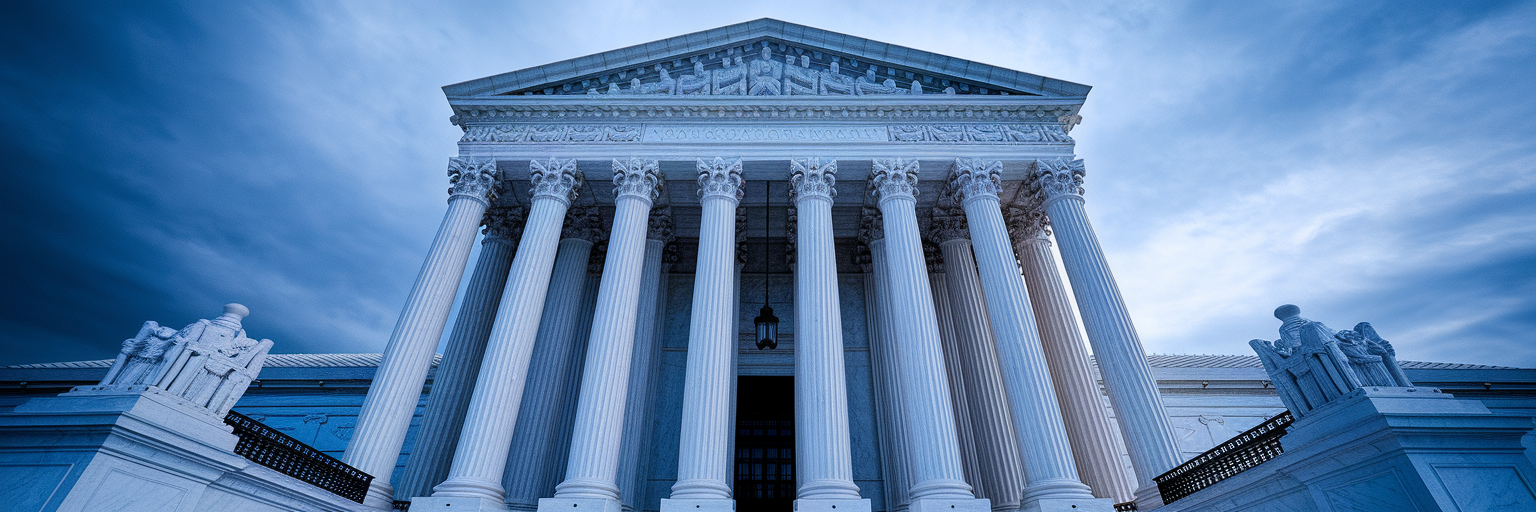
The clash between state legislatures and Silicon Valley was destined for a final showdown. That moment has arrived, as the Supreme Court has taken up cases challenging the Florida and Texas laws. This elevates the conflict from a regional dispute to a national reckoning over the future of online speech. The core constitutional question is a monumental one: does a private company’s First Amendment right to curate its platform supersede a state’s authority to regulate it as a modern public square?
The stakes could not be higher. A ruling in favor of the states could empower widespread government regulation of online content, fundamentally altering the relationship between government and the internet. It would affirm the idea that these platforms are common carriers, like phone companies, with a duty to serve all viewpoints. This movement gained significant momentum after platforms took action against major political figures, and the de-platforming of leaders like Donald Trump served as a powerful catalyst for these legislative efforts.
Conversely, a ruling for the tech companies would cement their status as private editors with broad constitutional protections. As The New Republic reports, the Supreme Court is now tasked with resolving this fundamental conflict. Its decision will set the definitive precedent for free speech online regulation, shaping the digital world for generations to come.
A Divided Conservative Movement
While the narrative is often framed as a simple battle of red states versus Big Tech, the reality is more complex. A fascinating schism has opened within the conservative movement itself over this very issue. This is not a monolithic crusade but an internal struggle over core principles.
On one side is a populist, nationalist wing that sees Big Tech as a hostile force that must be brought to heel by any means necessary, including aggressive government intervention. They believe the threat to free speech is so great that it justifies abandoning traditional free-market principles.
On the other side are the free-market traditionalists and libertarians. They watch this legislative push with deep unease, fearing that it sets a dangerous precedent. If a conservative government can force a company to host speech it dislikes, what stops a future progressive government from doing the same? For them, the cure of government regulation is worse than the disease of corporate bias. This internal debate reflects the shifting alliances in American politics, a topic we frequently explore with more in-depth analysis at Like A Boss. The outcome of this fight will not only determine the future of the internet but also the very identity of modern conservatism.