The Economic Battlefield for 2026
Since the turn of the century, few issues have correlated more directly with midterm election swings than the public’s perception of their personal finances. It’s a recurring pattern in American politics. While headlines may focus on social debates, the quiet calculations made at the grocery store checkout or the gas pump often determine which party gains power. Recent polling confirms this enduring truth. According to a recent NPR/PBS News/Marist poll, economic concerns remain the top priority for a majority of American voters, overshadowing all other issues.
This phenomenon is best understood through the lens of “kitchen table economics.” This is not just a political catchphrase. It is the real process by which voters translate abstract data points, like the monthly inflation rate, into tangible realities. It’s the feeling of your grocery bill climbing week after week, the decision to cancel a family trip because of fuel costs, or the anxiety of a rent increase notice. This is the core of cost of living politics US, where national economic policy is judged by its impact on individual household budgets.
Historically, midterm elections function as a referendum on the incumbent party’s economic stewardship. Voters ask a simple question: are we better or worse off than we were two years ago? The answer, fair or not, is often laid at the feet of the party controlling the White House. With economic sentiment still fragile, the 2026 cycle is shaping up to be a critical test of this principle, where perceptions of financial well being will likely dictate the outcome.
Historical Lessons on Economics and Elections
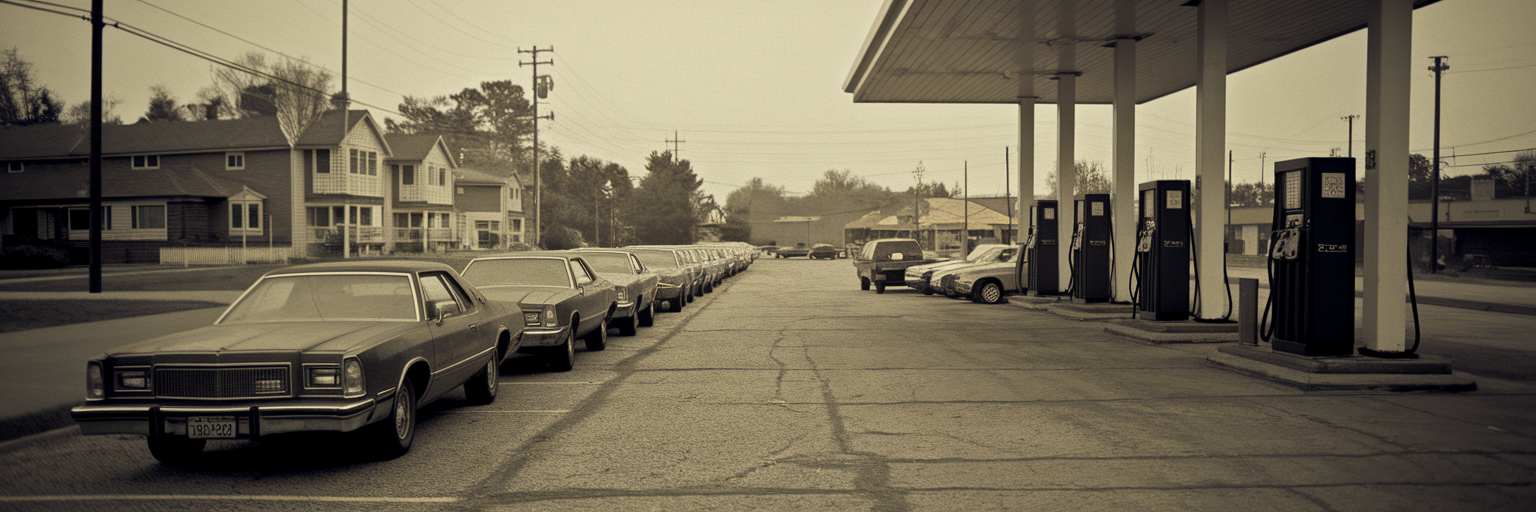
To understand 2026, we must look back. The connection between economic pain and electoral defeat is written throughout modern American history. The stagflation of the 1970s provides a powerful example. A toxic mix of high inflation and stagnant growth created widespread public discontent, leading to significant losses for the party in power during the 1974 and 1978 midterm elections. Voters felt the squeeze and held Washington accountable.
This behavior is driven by a concept called retrospective voting. Instead of analyzing future policy promises, many voters simply judge the incumbent party based on recent performance. This makes the 12 to 18 months before an election a make or break period for the White House. If the economy feels strong, the president’s party has a powerful message. If it feels weak, they are left defending a record that voters are already experiencing negatively.
However, economic determinism has its limits. Consider the 2002 midterms. Despite a sluggish economy, the Republican party defied historical trends and gained seats. The reason? The September 11th attacks had shifted the national focus entirely to security and foreign policy, temporarily overriding voters’ financial concerns. This shows that while the economy is a primary driver, it operates within a larger context of national events. For a broader look at how these issues intersect, our coverage of American politics offers more depth.
The key historical takeaways for 2026 are clear:
- The party in the White House is almost always held accountable for the state of the economy.
- High inflation is a uniquely potent force for voter dissatisfaction because it is felt daily.
- External crises, whether foreign or domestic, can sometimes override economic concerns and reshape the electoral landscape.
Key Economic Indicators to Monitor
As we approach the 2026 midterms, political arguments will be fueled by a stream of economic data. Understanding which numbers matter, and why, is essential to cutting through the noise. Here are the key indicators that will shape the narrative.
Inflation Gauges: CPI and PCE
The most cited inflation metric is the Consumer Price Index (CPI), which tracks the cost of a basket of goods and services like gasoline, food, and rent. Because it measures direct out of pocket expenses, a high CPI is political gold for an opposition party. It’s an easy number to put in an attack ad. The Federal Reserve, however, prefers the Personal Consumption Expenditures (PCE) price index. It’s a broader measure that accounts for how consumers substitute goods when prices change. The gap between these two figures can itself become a political talking point, with one party highlighting the more alarming CPI while the other points to a milder PCE.
The Federal Reserve’s Influence
The Federal Reserve walks a political tightrope. Its primary tool to combat inflation is raising interest rates. This cools the economy by making it more expensive to borrow money. But for voters, higher interest rates mean more expensive mortgages, car loans, and credit card debt. This creates a difficult situation for an incumbent administration, which may publicly support the Fed’s independence while privately worrying about the electoral consequences of its actions. The economic management of the current administration will be judged on how this balance is struck.
Employment and Wage Growth
Here lies a critical paradox in the economic issues 2026 election narrative. A low unemployment rate is a clear political victory for the party in power. Yet, if wage growth fails to keep pace with inflation, voters feel poorer despite having a job. The talking point “more people are working” is easily countered with “but their paychecks buy less.” This tension between employment levels and real wage growth will be a central battleground of economic messaging.
| Indicator | What It Measures | Political Significance |
|---|---|---|
| Consumer Price Index (CPI) | Average change in prices paid by urban consumers for a basket of consumer goods and services. | Directly reflects ‘kitchen table’ costs like groceries and gas; a high CPI is easily used in attack ads. |
| Wage Growth | The rate of increase in nominal wages for workers. | If wage growth is below inflation, the incumbent party is vulnerable to claims that Americans are getting poorer. |
| Unemployment Rate | The percentage of the labor force that is jobless and actively looking for work. | A low rate is a key defensive talking point for the party in power, but its impact is muted if inflation is high. |
| Consumer Confidence Index | A survey measuring how optimistic or pessimistic consumers are regarding their expected financial situation. | Acts as a barometer of the national mood; falling confidence signals voter anxiety and potential backlash. |
Note: This table highlights the metrics that most directly influence public perception and political messaging. While many other indicators exist, these four are central to the voter experience and will likely dominate campaign narratives.
Party Playbooks for an Inflation-Focused Election

With the economic battle lines drawn, both parties are already honing their messages. The strategies are predictable but effective, designed to assign blame or claim credit for the financial realities voters face. Understanding these playbooks is key to deciphering the political rhetoric that will dominate the airwaves.
The Republican Narrative: Spending and Regulation
The opposition party’s playbook is straightforward: attribute inflation directly to the incumbent administration’s policies. Republicans will argue that excessive government spending, such as stimulus packages and social programs, injected too much money into the economy and drove up prices. They will also point to environmental and labor regulations as factors that increase business costs, which are then passed on to consumers. The message is one of fiscal irresponsibility, framing the administration as reckless managers of the economy. This narrative is often amplified by influential party figures like Donald Trump, whose economic messaging continues to shape the party’s direction.
The Democratic Counter: Global Factors and Corporate Action
The party in power has a more complex defensive task. Democrats will work to deflect blame by pointing to factors beyond their control. This includes global supply chain disruptions, international conflicts that affect energy prices, and the lingering economic effects of the pandemic. Another key element of their strategy will be to accuse large corporations of “price gouging,” arguing that record profits are evidence of companies exploiting inflation to raise prices unnecessarily. They will pivot from defense to offense by highlighting legislative achievements aimed at lowering specific costs, such as prescription drugs or healthcare premiums. As an AEI op-ed notes, the president’s ability to sell this narrative is critical, as his midterm election dilemma is tied to how voters perceive his economic leadership.
Ultimately, the contest over political party economic policies is a battle of simplicity versus complexity. The opposition has the easier job of pointing to a problem and assigning blame. The incumbent must defend a nuanced record and convince voters that their actions are helping, even if the results are not yet felt. The president’s approval rating will serve as a running scorecard for this contest, heavily influencing midterm election predictions 2026 for candidates down the ballot.
Policy Debates and Their Political Fallout
Beyond the messaging, the debate over inflation will crystallize around specific policy proposals. Each party will offer solutions framed to appeal to their base and win over undecided voters. The political risk and reward of these proposals will be a central feature of the campaign, with the inflation impact on 2026 midterms hanging in the balance.
Several key policy battlegrounds are likely to emerge:
- Fiscal Policy: Republicans will likely propose broad based tax cuts, arguing that leaving more money in people’s pockets is the best way to combat the rising cost of living. Democrats, in contrast, will advocate for more targeted relief, such as expanding the Child Tax Credit or offering subsidies for green energy and childcare. The debate will be framed as fiscal prudence versus social investment.
- Monetary Policy: While the Federal Reserve is officially independent, it will face immense political pressure. Politicians from both parties will attempt to influence its decisions on interest rates for electoral gain. Expect to see incumbents praising the Fed for its diligence while challengers accuse it of being too slow or too aggressive.
- Trade and Tariffs: Tariffs, particularly on Chinese goods, will be a contentious issue. One side will argue they protect American jobs and industries from unfair competition. The other will counter that they are a direct tax on consumers, raising the price of everyday goods. As Fortune has highlighted, the decision to maintain or remove tariff exemptions can have a direct effect on grocery prices, making it a potent campaign issue.
- Housing Affordability: In suburban districts where housing costs are a top concern, policies like zoning reform or down payment assistance programs could become decisive. These debates often become intensely personal, reflecting the kind of sharp rhetoric that has become common in modern political discourse, such as when one representative used inflammatory language against a governor.
Wild Cards That Could Reshape the Economic Narrative

While current trends point toward an election dominated by inflation, the political and economic landscape is notoriously unpredictable. Several “wild cards” could emerge between now and November 2026, completely scrambling the existing narrative and forcing both parties to adapt on the fly.
Geopolitical Shocks
The global economy is interconnected. A sudden escalation of conflict in Eastern Europe or the Middle East could instantly cause a spike in global energy prices, sending shockwaves through the U.S. economy and rendering domestic inflation forecasts obsolete. Such an event would immediately shift the focus to foreign policy and national security. The strength and reliability of international alliances, such as the role of NATO, would become a central campaign topic, potentially overshadowing kitchen table concerns.
Domestic Economic Surprises
The domestic economy is not immune to sudden shocks either. The bursting of a speculative market bubble, perhaps in the artificial intelligence sector, could pivot the national conversation from inflation to unemployment almost overnight. A major corporate bankruptcy or an unexpected crisis in the banking sector could have similar effects. Furthermore, sudden shifts in global trade alliances or the emergence of a new, disruptive technology could alter supply chains and consumer prices in ways that no one currently anticipates.
The core lesson is that the economy is not a static backdrop for politics; it is a dynamic and unpredictable force. The party that demonstrates greater agility in responding to and, more importantly, framing these unforeseen events will likely gain the decisive edge in the 2026 midterm elections. Success will not just be about having the right plan, but about being the most convincing voice in a crisis.